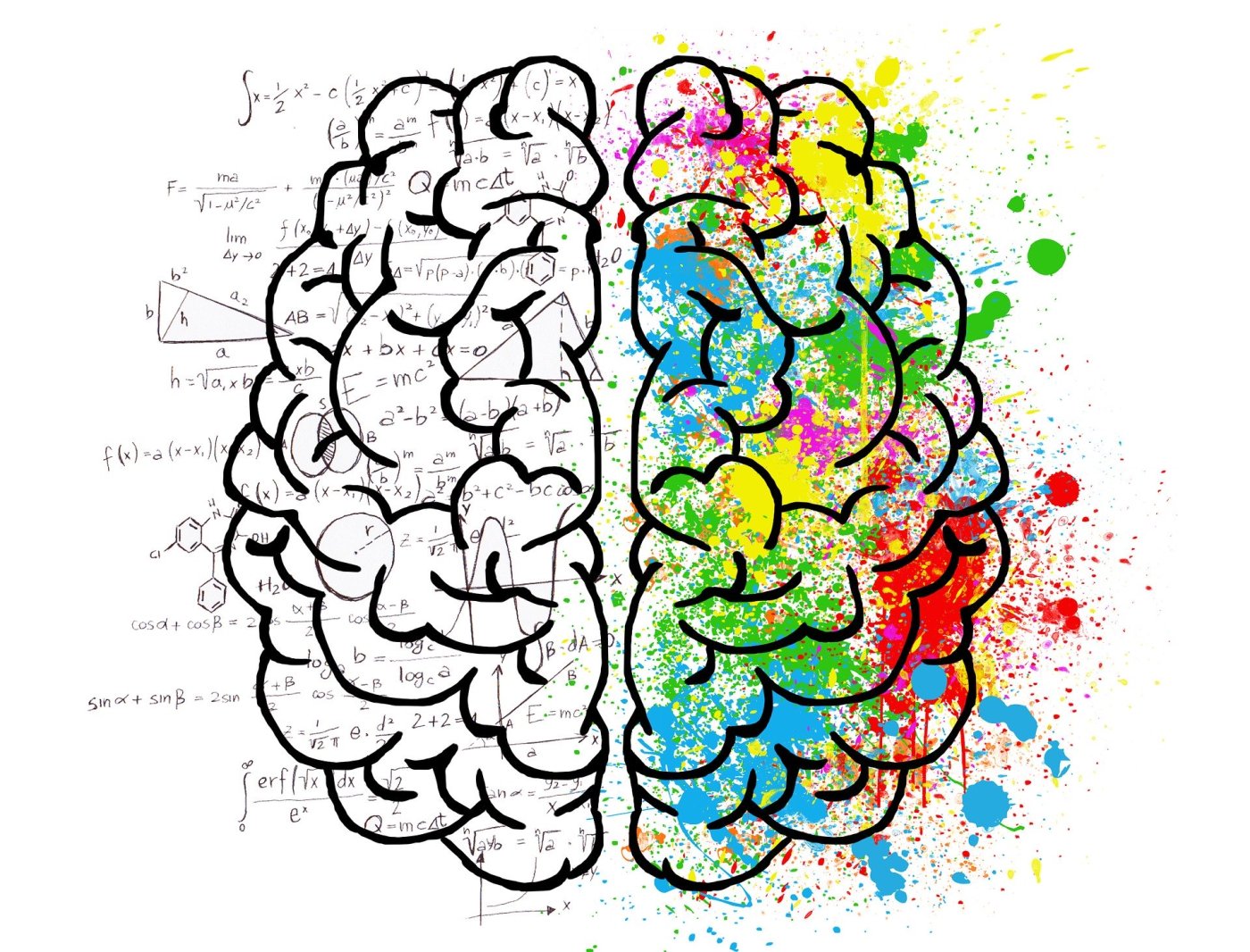
What is Mindfulness? I know I get confused when I see this mysterious word and people throw it around all the time now. Watch this clip narrated by Good Morning America’s Dan Harris and keep in mind your definition of mindfulness.
Narrated by Dan Harris
Animation by Katy Davis (AKA Gobblynne)
Animation assistant: Kim Alexander
What is it?
The New York post writes mindfulness can be “a useful tool for decreasing anxiety and promoting happiness”. It emphasizes focusing on the present with a calm, kind perspective and choosing to observe rather than act.

Practicing Mindfulness
However Mindfulness cannot be simply taught by an instructor similar to an instrument or a subject in school. One must practice mindful exercises in order to implement mindfulness in day-to-day scenarios.
Remember to S.T.O.P.
Stop. Just take a momentary pause, no matter what you’re doing.
Take a breath. Feel the sensation of your own breathing, which brings you back to the present moment.
Observe. Acknowledge what is happening, for good or bad, inside you or out. Just note it.
Proceed. Having briefly checked in with the present moment, continue with whatever it was you were doing.
Mindfulness for Children
By David Gelles
Illustrations by Sam Kalda
cited from The New York Times
aPRIL 8, 2020
- Be present in the moment. Although they are tempting, phones tend to hinder the development of mindfulness by providing an easy source of distractions, wether you are engaging in a conversation or just sitting sipping your coffee.
- Stay calm. Often emotions can manifest simply just by giving them a physical outlet: an angry scream, a frown contorting your face, an eye roll of annoyance, etc. . As humans, we have the ability to co-regulate each other so if you remain relaxed and hopeful, the chances are those around will too.
- Move around. One way to reconnect with yourself mentally is to get yourself moving physically. Yoga is known to promote well-being, but if your’e not feeling that, maybe taking a nice stroll or have fun dancing to your favorite song when no else is around (I won’t tell anyone)
- Use your senses. If your’e in a crowded place, stop and look around. Take note of not the people but how the sky looks, how the air feels when you breathe it in, and what sensations overwhelm you at the moment. Through touch, taste, smell, sight and hearing we can center ourselves on small but meaningful details of the world around us and how we are affected by it.
Cultivating this “kind curiosity” can help us navigate the school environment we face in high school. Some studies have even shown it as being exceedingly helpful for those with attention deficit hyperactivity disorder as well as helped to reduce anxiety, aggression , and stress, all negative emotions associated with school.
Growing up comes with many highs and lows but in time mindfulness can help reduce the severity of every roller coaster ride. We can learn to stay in the present instead of focusing on others or how their actions reflect on us using a simple exercise called R.A.I.N.
R: Recognize. Acknowledge what is happening, just noting it in a calm and accepting manner.
A: Accept. Allow life to be just as it is, without trying to change it right away, and without wishing it were different somehow.
I: Investigate. See how it feels, whether it is making you upset or happy, giving you pleasure or pain, just note it.
N: Non-Identification. Realize that the sensations you are feeling make for a fleeting experience, one that will soon pass. It isn’t who you are.
MINDFULNESS FOR CHILDREN
CITED FROM THE NEW YORK TIMES
Try it!
This is a meditation that focuses on sight. Click here to begin your journey practicing mindfulness.

Resources:
For a simple platform to help you start practicing mindfulness click here
 OperationHomefront
Leave a comment