
Meditation is the practice in which one trains the mind to act attentively and calmly in order to promote mental well-being. “The purpose of mindfulness meditation is to become mindful throughout all parts of our life, so that we’re awake, present and openhearted in everything we do,” said Tara Brach. Practicing meditation helps individuals become mindful in order to become more adept at handling stressful situations. The hardest step in to begin, so let’s dive right into it.
Here are 3 simple ways to incorporate Meditation into daily life, especially in this time of uncertainty and constant change.
- Image breathing
wherever you are, take a moment to close your eyes. Imagine in your happy place, it may be a favorite childhood bedroom, a beach you went to on vacation, or wherever you are now. Regardless, once you have a clear picture of that image, close your eyes. Picture yourself holding an empty cup. Now, slowly breath in through your nose, picturing the cup filling up with water. 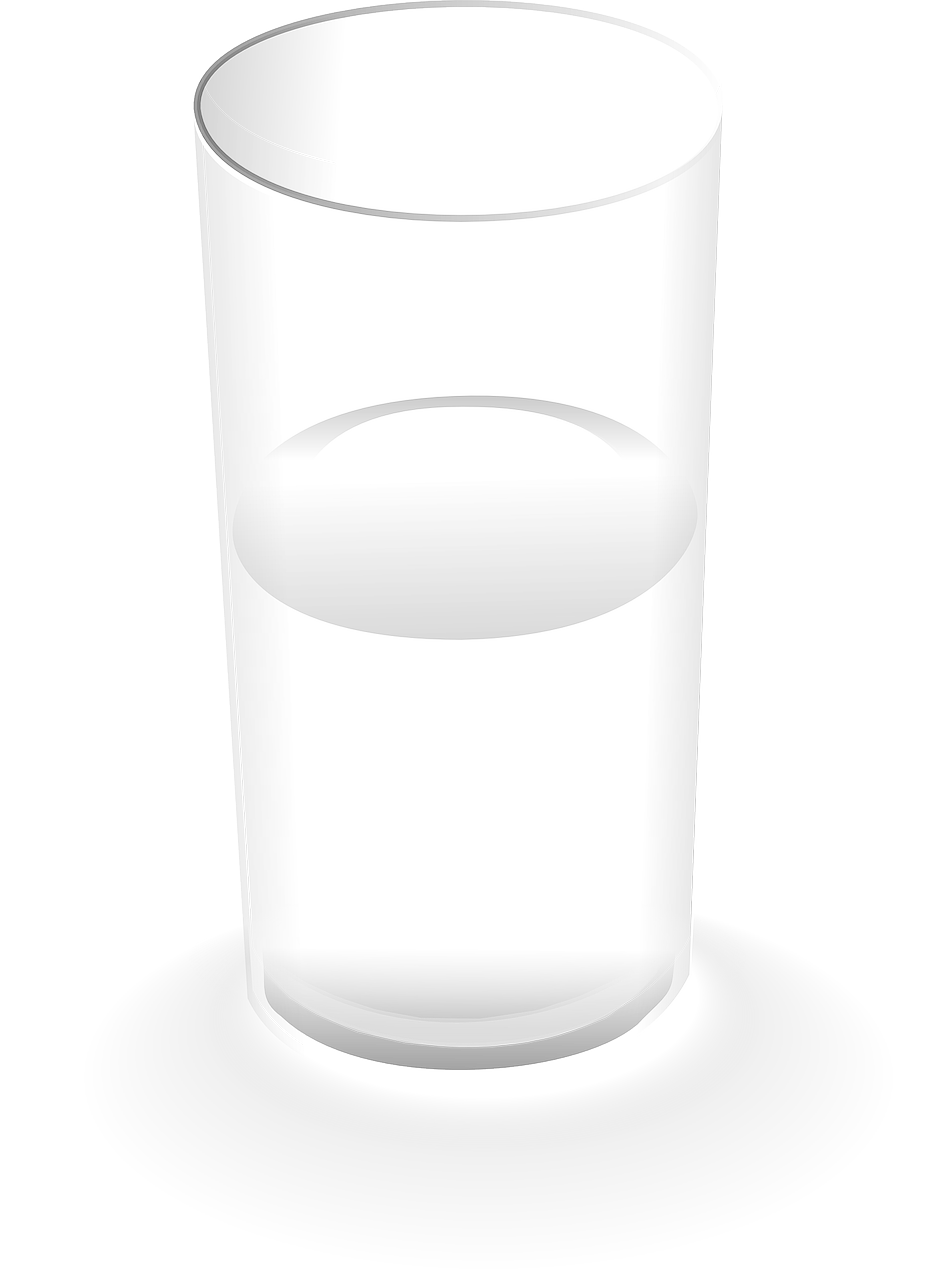 Once the cup is full, tilt it over in your mind and as the water pours out, breathe out through your mouth until all the water is on the ground. Repeat this exercise 3 times or however many more you feel inclined to do.
2. Silent Walking

Take a deep breath and notice the sky above you, listen to the sounds of birds around you, feel the wind or lack of it on your skin, and taste the air around you. This is not to force your mind to focus but a gentle reminder to slow down and appreciate everything around you from this great, big universe to a small ladybug on a near by flower. Be present with the world around you, letting all other thoughts and worries fade away. When you get to where you are going close your eyes and take one deep breath. Feel whatever gratitude this practice brings you.
3. Closing the Senses
Sit up tall or lie down with your planted firmly on the floor however you feel is most comfortable. The place your thumbs in your ears. Next put your index fingers lightly over your eyelids, keeping your eyes closed, place the middle fingers on your nose, and the smallest fingers under your mouth. Now take 10 deep breaths: in through your nose, out through your mouth. Notice the absence of sound and with every breath try to become quieter, eventually not even hearing your own breath. After that, open your right ear and take notice of all the sounds around you, even ones hiding under other sounds you usually hear. Spend a few breaths here before open your left ear. Take a few more grateful breaths here before open your other senses to come back to the present.
“The thing about meditation is: You become more and more you.”
David Lynch
What does “more” mean to you…




Remember, meditation is about making time to improve your well-being, both physically and mentally. It is not about how long you practice, where you are, or how often you do it: meditation is a tool to help you become more resilient and content, promoting positive self-talk that can help you cope with the any challenge that life brings your way. Next time you feel an emotion taking over such as anger or anxiety do the most important practice of mindfulness there is: breathe. Deep breathes, counting breathes, or just a single, long, breathe. It is what keeps us alive and is a grounding anchor, reminding us that life is what we breathe it to be.
Resources:
Fun ways to practice meditation for all ages

Leave a comment